
 See My Latest Article on HelloNation
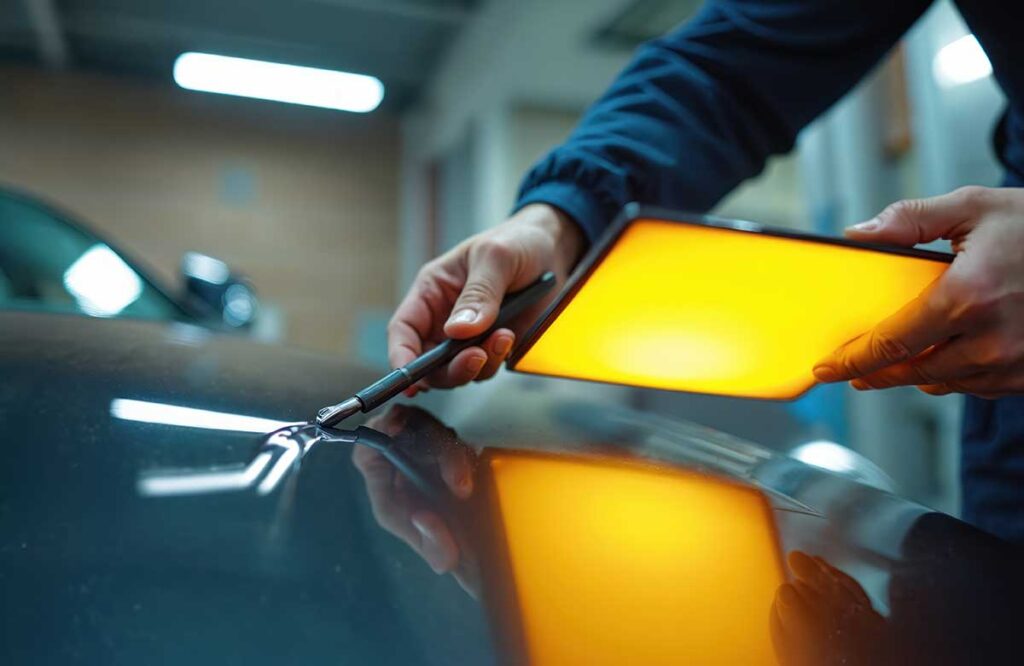
Paintless dent repair can be a practical alternative to traditional body-shop repairs when a vehicle has a shallow dent, door ding, or hail-related damage and the paint surface remains intact. The method preserves the factory finish, usually involves fewer repair steps, and may reduce the time a vehicle is out of use.
Traditional body-shop repair remains necessary for some damage, especially when paint is cracked, metal is sharply folded, or a panel requires replacement. The better option depends on the dent’s location, depth, size, access, and effect on the paint.
What is paintless dent repair?
Paintless dent repair, often called PDR, reshapes a vehicle panel from behind or through carefully selected access points. Specialized tools apply controlled pressure to the underside of the metal until the panel returns close to its original contour.
The process generally does not involve:
- Sanding
- Body filler
- Primer
- Repainting
- Replacing an otherwise repairable panel
PDR is most effective when the paint has not separated from the metal and the dent does not contain severe creasing, stretching, or tearing. Common examples include parking-lot door dings, shallow dents from falling objects, and many hail dents.
How does PDR differ from traditional body-shop repair?
Traditional repair usually involves reshaping the panel from the outside, filling low areas, sanding the surface, applying paint, and blending the finish with nearby panels. If the panel is badly damaged, replacement may be more appropriate.
Paintless dent repair focuses on restoring the metal itself rather than covering the damage. That difference affects the appearance, repair process, cost factors, and long-term condition of the vehicle.
A conventional repair may still be the correct choice when:
- The paint is chipped, cracked, or peeling
- The metal is sharply creased or stretched
- A panel has been punctured or torn
- The dent reaches an edge, body line, or structural area
- The damage affects a bumper, plastic component, lamp, sensor, or trim
- The panel has already been repaired poorly
PDR is not a universal substitute for body-shop work. It is a specialized method suited to a particular type of damage.
Does paintless dent repair preserve the original paint?
Yes, preserving the original paint is one of PDR’s main advantages. Because the panel is repaired without sanding and repainting, the vehicle can retain its factory-applied finish.
Factory paint is applied under controlled conditions and is designed to bond consistently with the panel. A later refinish can look very good, but color matching and texture blending may be more difficult on some vehicles, especially as the original finish ages.
Keeping the factory finish may also make it easier to identify which areas have never been repainted. That can matter to owners who plan to keep a vehicle for many years or want to document its condition for a future sale.
However, PDR cannot restore paint that has already been damaged. If the impact caused exposed metal, deep scratches, or flaking paint, a separate refinishing process may be needed.
Is PDR usually faster than traditional repair?
PDR is often faster because it can eliminate several stages involved in conventional repair. There may be no need for filler to cure, primer to dry, paint to flash, or multiple layers to be blended and cured.
The actual time varies considerably. A single accessible dent may be addressed relatively quickly, while multiple dents, difficult access, or hail damage can require more careful work.
Traditional body-shop repairs may take longer because they can involve:
- Disassembly and reassembly
- Panel straightening or replacement
- Surface preparation
- Paint matching and blending
- Curing or drying time
- Quality checks for finish and fit
For residents dealing with regular transportation needs, a shorter repair process can reduce disruption. This can be especially useful in a spread-out community where daily driving is part of work, school, errands, and household responsibilities.
Can PDR cost less than traditional body repair?
It often can, but price should not be judged from the dent’s size alone. The location, depth, metal type, number of dents, access behind the panel, and condition of the paint all affect the work involved.
PDR may reduce costs by avoiding:
- New paint materials
- Body filler and primer
- Panel replacement
- Extensive disassembly
- Paint blending into adjacent panels
A small dent in a difficult location can still require significant labor. Conversely, several shallow dents in an accessible area may be efficiently repaired together.
Traditional repair may be more economical when the panel already needs painting because of scratches or corrosion. In that situation, repairing the metal and refinishing the panel may address several problems at once.
Is paintless dent repair better for resale value?
Preserving the original finish can support a vehicle’s condition and appearance, but PDR does not automatically increase resale value. The benefit is mainly that the repair can avoid unnecessary repainting and help maintain a consistent factory finish.
Buyers and vehicle appraisers may look for:
- Uneven paint texture
- Color differences between panels
- Overspray
- Visible sanding marks
- Filler movement or cracking
- Poorly aligned body panels
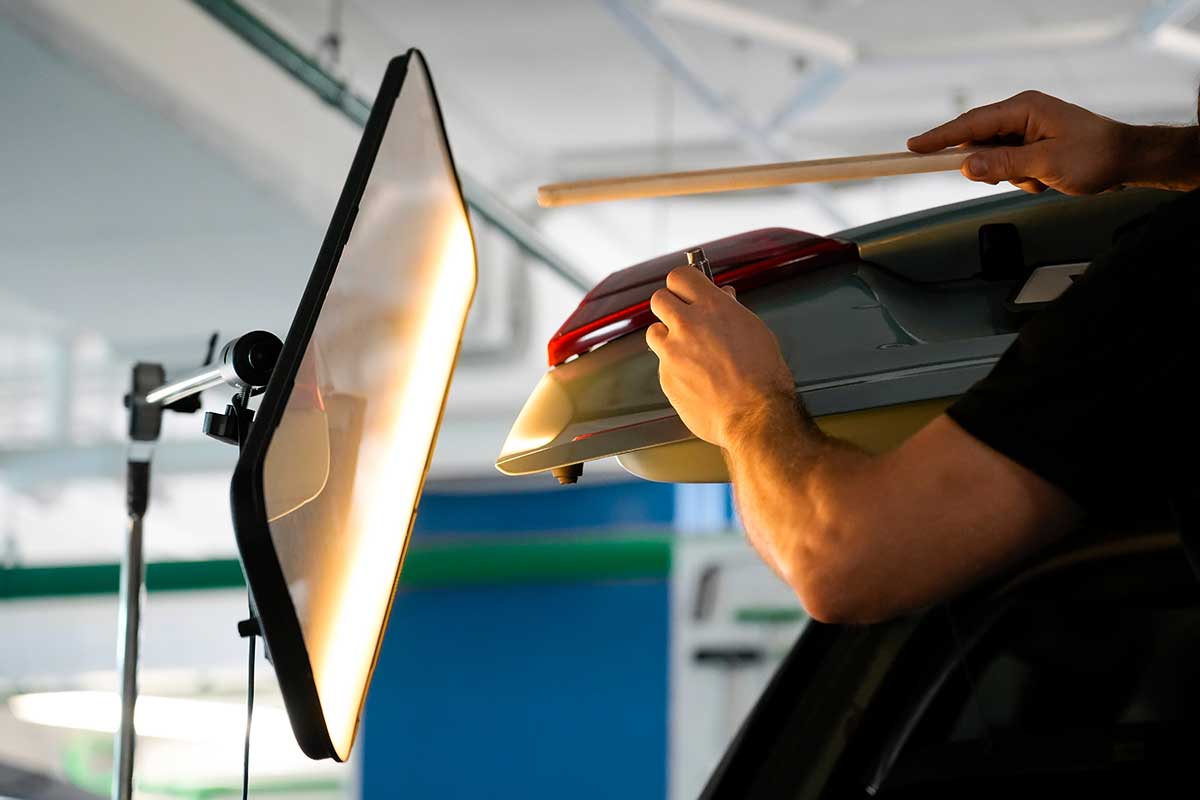
A properly completed PDR repair can remove the dent without creating those particular signs. The result is not guaranteed to be invisible in every situation, though. Strong lighting, sharp body lines, and metallic finishes can reveal subtle irregularities if the panel was severely distorted.
How does Florida weather affect dent-repair decisions?
Ocala’s hot, humid conditions, intense sunlight, and seasonal thunderstorms can influence how vehicle damage develops over time. A dent with broken paint may allow moisture to reach exposed metal, increasing the chance of corrosion.
Sunlight can also make mismatched paint more noticeable. A repaired panel that appears acceptable in shade may show differences in color or gloss under strong outdoor light.
Hail-related damage is another consideration. A vehicle may have many small dents across the hood, roof, trunk, or side panels while the paint remains intact. In those cases, PDR can sometimes address the metal damage without refinishing every affected panel.
Dents should be examined after storms, even when they are difficult to see from a distance. Reflections from a straight body panel often make shallow damage easier to identify.
Does PDR work on every vehicle panel?
No. PDR works best on panels made from repairable metal with reasonable access behind the damaged area. Aluminum and high-strength steel may require different techniques, and some panels are more difficult to manipulate than others.
Access can be limited by:
- Window mechanisms
- Reinforcement bars
- Interior trim
- Airbag components
- Brackets
- Insulation
- Double-layered panel construction
A dent near a panel edge or along a pronounced body line may also be more challenging. The damage may be repairable, but it may require more time and precision than a shallow dent in the middle of a broad panel.
What should vehicle owners inspect before choosing a repair method?
Start by examining the paint and the shape of the dent in good lighting. Look for cracks, chips, exposed metal, sharp folds, and signs that the panel has been pushed inward rather than simply tapped.
Useful questions include:
- Is the paint still smooth and attached?
- Does the dent have a sharp crease?
- Is the damage near an edge or structural reinforcement?
- Does the panel open, close, and align normally?
- Are lights, cameras, sensors, trim, or weather seals affected?
- Is there evidence of an earlier repair?
If the damage involves a safety system, obstructs visibility, prevents a door or hood from latching, or exposes bare metal, the repair decision should account for safety and corrosion protection—not appearance alone.
For suitable dents, PDR offers a way to restore the panel while preserving more of the vehicle’s original materials. For severe or paint-damaged impacts, traditional body repair may provide the more complete solution.